Signs You Need a Chimney Cap Repair or Replacement
How to Tell If Your Chimney Cap Needs Repair or Replacement
A chimney cap is a small component with an outsized role: it keeps water, animals, embers, and debris out of the flue while helping maintain proper draft. When a cap fails, homeowners can face water damage, indoor air problems, animal infestations, and increased fire risk. Early recognition of the signs allows a prompt, professional response to protect both the chimney and the home.
What Are Common Signs of Chimney Cap Damage or Failure?
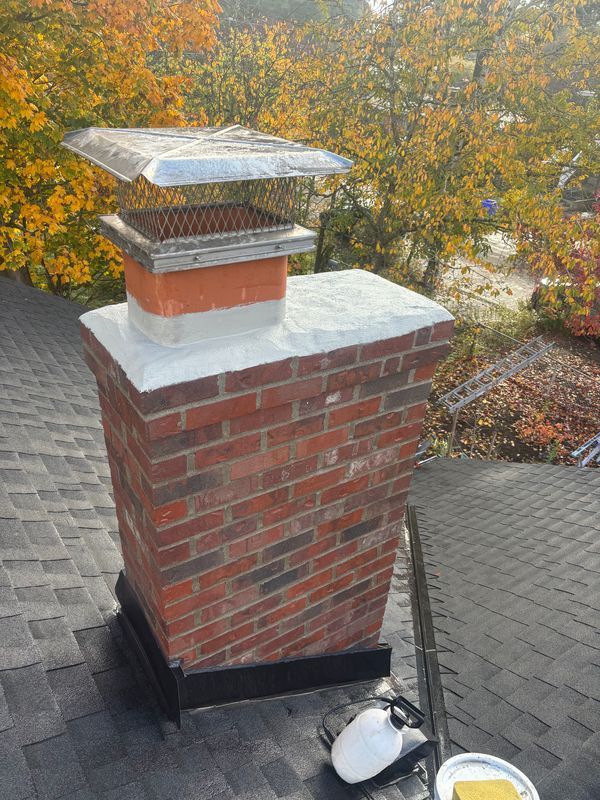
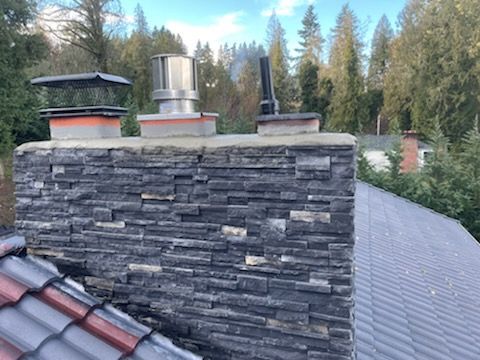
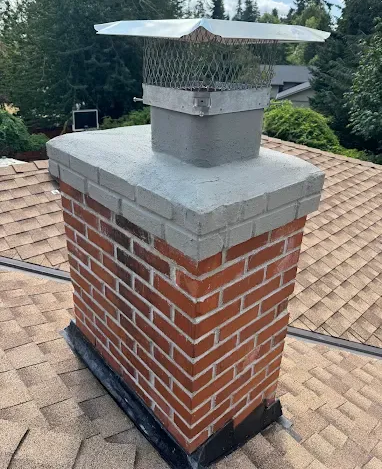
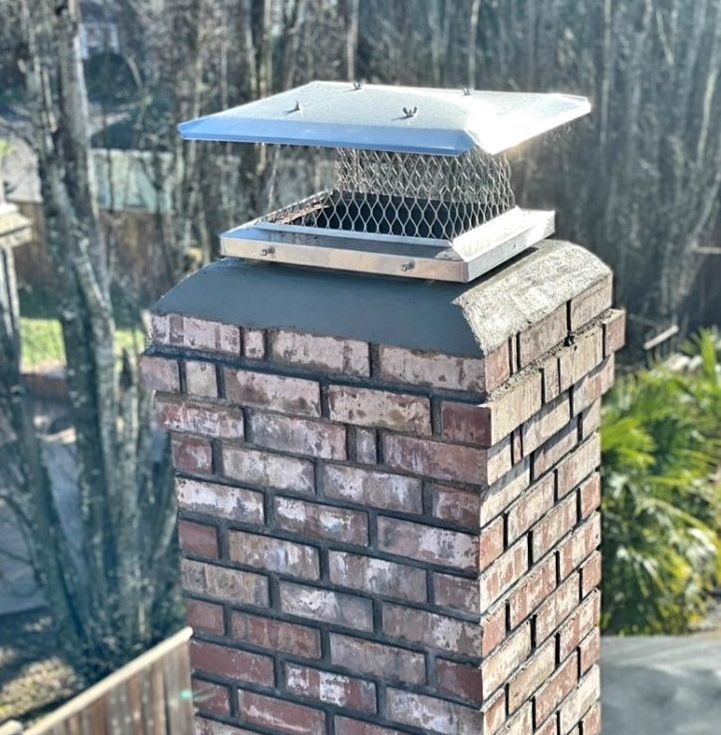
Physical deterioration is often the clearest indicator that a chimney cap needs attention. Metal caps show rust, pitting, warped or bent tops, and torn mesh; masonry or concrete caps may crack, spall, or separate from the chimney crown. A cap that sits unevenly, tilts, or has visible gaps at its perimeter indicates compromised attachment or fasteners. Loose anchors, missing screws, and a cap that moves or rattles during wind gusts are additional red flags that the cap no longer forms a secure seal.
What Physical or Indoor Problems Could Signal a Failing Chimney Cap?
A failing chimney cap causes symptoms both inside and outside the house. Water staining on ceilings or walls near the chimney, dampness at the chimney crown or inside the flue, and fresh rust flakes or streaks around the fireplace opening point to water intrusion. Increased smoke backing into living spaces, unusual or intensified soot buildup on the mantle and damper components, and persistent odors after rain suggest impaired draft and moisture problems. Noticing rodents, birds, or insects near or inside the flue signals that the cap’s screening or barriers are no longer effective.
What Are Specific Warning Signs to Watch For?
- Rusted mesh or torn screen that permits animals, embers, and debris through
- Missing, stripped, or loose fasteners and anchors, indicating unstable attachment
- Cracked, spalling, or delaminating concrete or masonry where the cap meets the chimney
- Standing water on the crown or moisture observed inside the flue after precipitation
- A sudden increase in soot or creosote in unusual places, suggesting airflow disruption
- New or worsening indoor odors, especially following wet weather
- Evidence of birds, squirrels, bats, or insects nesting in or entering the flue
- Visible gaps between the cap edges and the chimney stack, allowing debris entry
- Cap movement, clanging, or noise in windy conditions, signaling loosened components
When Should I Consider Repair Versus Full Chimney Cap Replacement?
Choosing between repair and replacement depends on the severity, material condition, and safety implications. Minor issues—such as replacing corroded fasteners, re-securing a slightly shifted cap, or patching a small gap—may be appropriate for professional repair when the cap’s structure is otherwise sound. Extensive corrosion, large mesh tears, significant warping, deep cracks in masonry, or recurrent failures usually justify a full cap replacement to restore long-term protection and compliance with building codes. Keep in mind that amateur repairs often lead to mistakes and cost more in the long run, so rely on a qualified chimney technician for the assessment.
How Does Timely Chimney Cap Service Protect My Home and Safety?
Prompt repair or replacement preserves the chimney system and reduces broader risks to the property. A sound cap prevents water penetration, which accelerates masonry decay, freeze-thaw damage, and interior finish deterioration; it also stops animal entry, which can create blockages, fire hazards, foul odors, and structural contamination. Proper caps reduce the chance that sparks or embers escape the flue and ignite nearby roofing materials, and they help maintain efficient draft—minimizing smoke problems and excessive creosote buildup. Addressing cap problems proactively prevents escalation into costly structural repairs and helps protect occupant safety.
How Should I Move Forward If I See These Signs?
If you observe any of the listed signs, schedule an inspection with an experienced chimney professional who can evaluate cap condition, identify underlying crown or flue issues, and recommend repair or replacement options matched to your chimney type and climate. Request a written estimate and inquire about materials, warranties, and code compliance. Acting quickly reduces the risk of water damage, animal intrusion, and compromised performance, preserving the chimney’s function and protecting your home.
Do You Need a Chimney Cap Replacement in Portland, OR?
If you own a home in
Portland,
Milwaukie,
Lincoln City, or
Astoria, OR, and you suspect that your
chimney cap needs replacing,
contact us at Lifetime Chimney. We’re family-owned and operated, and we've been replacing chimney caps in the Portland, OR area for more than 20 years. A good chimney cap is essential for a safe wood-burning experience. Check out our Google reviews
here!