What’s the Difference Between Chimney Flashing and Masonry Leaks?
Chimney Flashing vs. Masonry Leaks: What Homeowners Need to Know
A leaking chimney can cause frustrating water stains, structural damage, and mold, but not all chimney leaks have the same cause. Understanding the difference between chimney flashing problems and masonry leaks helps homeowners get the right diagnosis and faster, more effective repairs. Below is a clear comparison of what each problem looks like, why it occurs, how to recognize it, and when to call a professional.
What Is Chimney Flashing and Why Does It Fail?
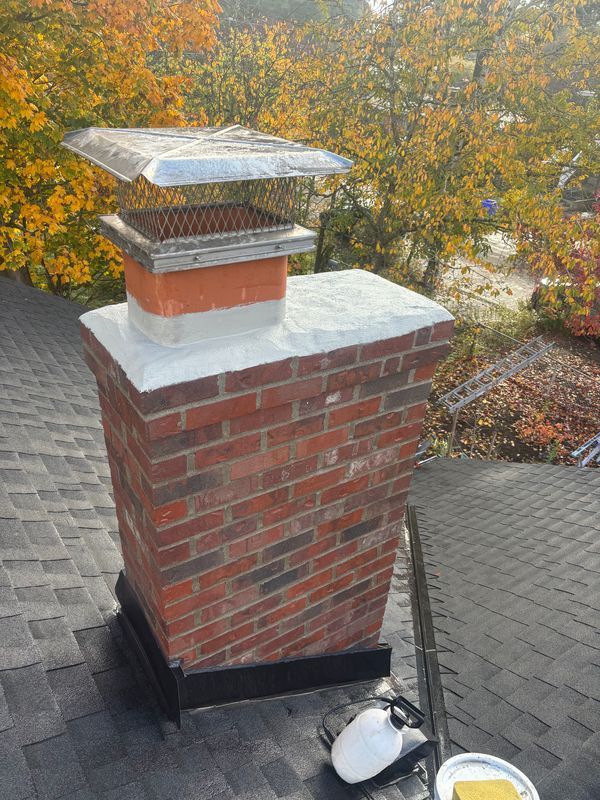
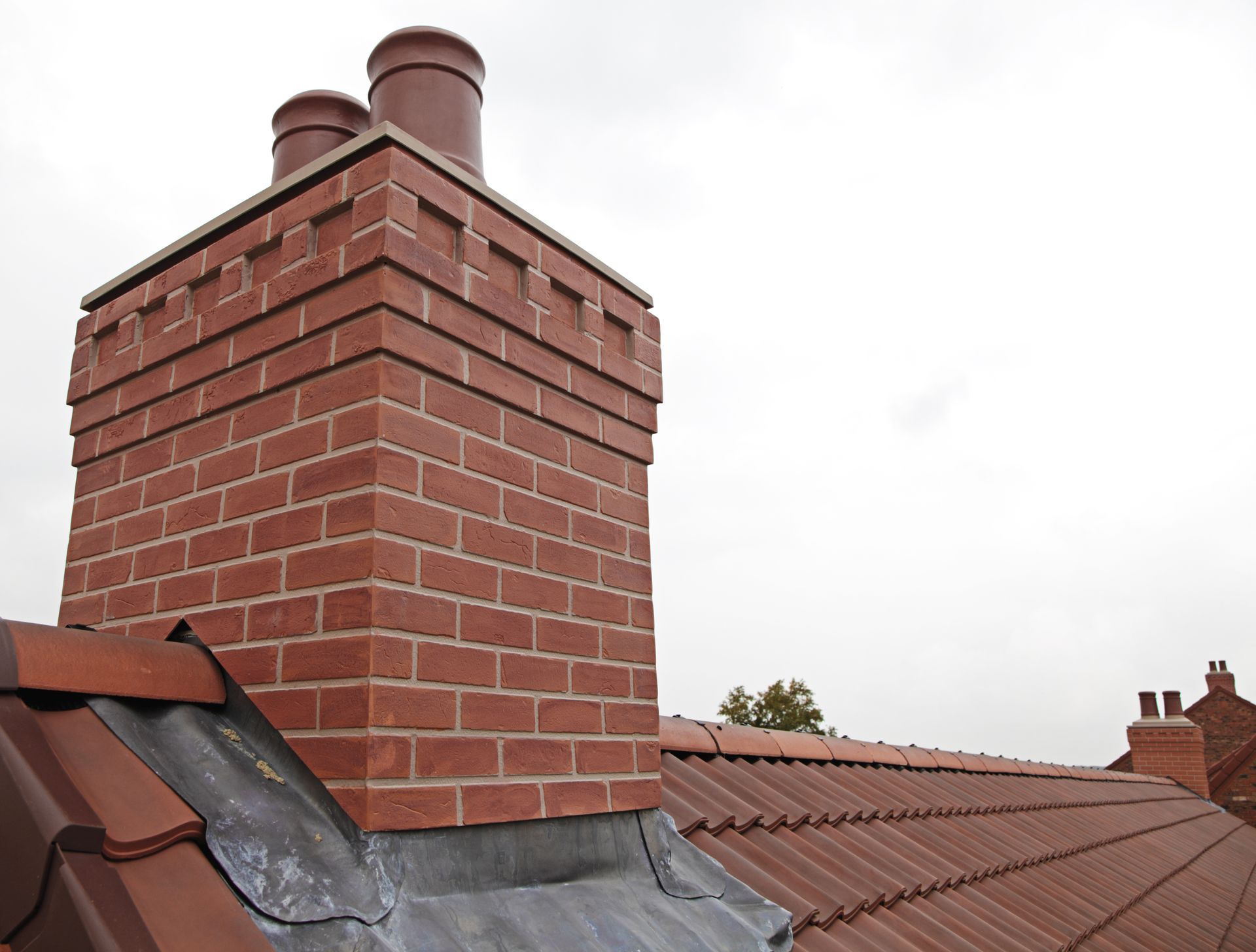
Chimney flashing is a thin metal barrier—usually galvanized steel, aluminum, copper, or lead—installed where the chimney meets the roof to divert water away from the chimney. Flashing can fail due to old age, corrosion, improper installation, or movement between the roof and chimney (settling or thermal expansion). When flashing fails, water typically tracks along the flashing seams or enters at gaps where the flashing laps the chimney or pipe. Flashing problems often produce localized leaks tied to heavy rain or wind-driven moisture and may result in water stains on ceilings near the chimney’s roofline.
How Do Masonry Leaks Differ From Flashing Problems?
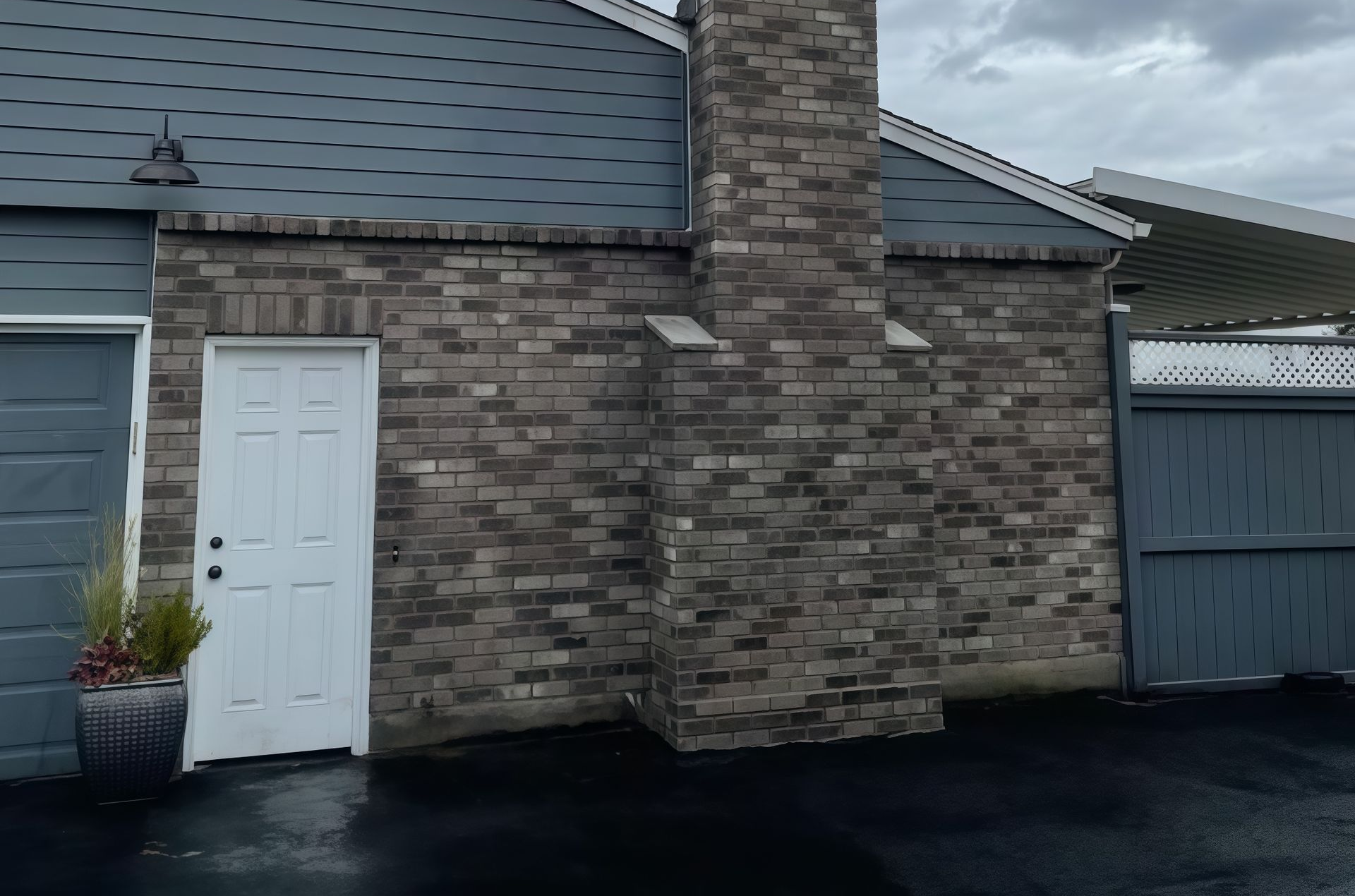
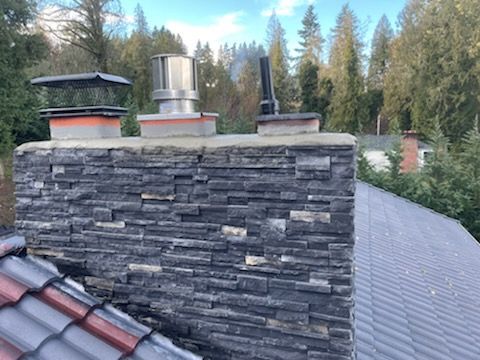
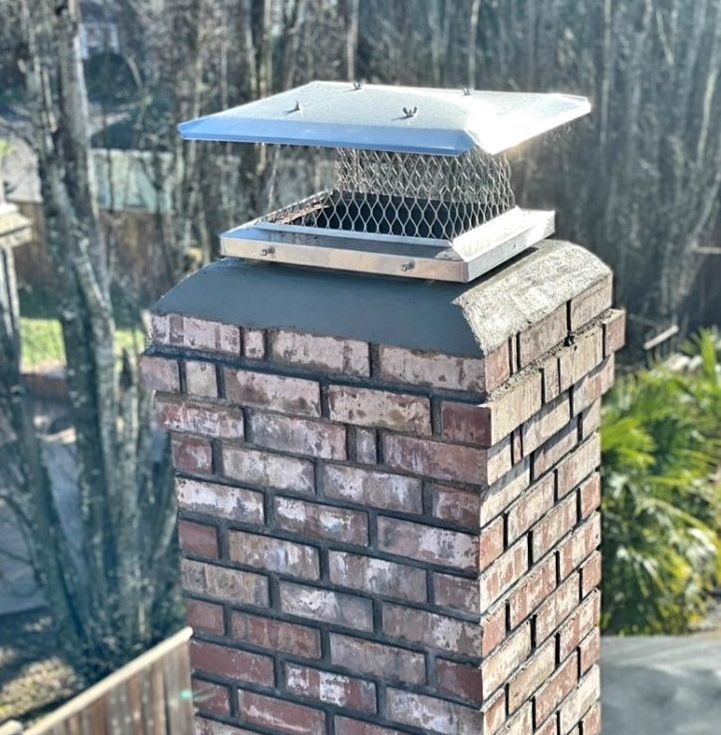
Masonry leaks originate from the chimney structure itself: porous bricks, deteriorated mortar joints, cracked flue tiles, or a failing crown or cap. Moisture can be absorbed directly into brick and mortar, then driven inward by wind or freeze-thaw cycles. Unlike flashing failures, which often cause concentrated leaks around roof-to-roofline junctions, masonry leaks can result in broader, more diffuse water entry over time. They may occur even without obvious flashing damage. Masonry deterioration is often progressive; small cracks or eroded mortar allow increasing moisture penetration, leading to visible damage inside the home.
What Are Common Signs of Each Problem?
- Water Stains Near the Roofline: Often indicate flashing failure where the chimney intersects the roof.
- Ceiling or Wall Stains Directly Below the Chimney: Could be either, but localized stains aligned with the chimney base often indicate flashing issues.
- Rust or Corrosion on Flashing Metal: Visible rust, splits, or separations at seams suggest flashing needs replacement.
- Peeling Paint or Bubbling Plaster Near the Fireplace: Prolonged masonry moisture can cause failure of interior finishes.
- Efflorescence on Brick Surfaces: White, powdery residue on exterior brickwork indicates moisture migrating through the masonry.
- Crumbling or Missing Mortar Joints: Mortar erosion allows water to penetrate the chimney directly.
- Cracked Chimney Crown or Spalling Brick: Structural cracks and brick surface flaking are classic masonry leak sources.
- Water Entry During Wind-Driven Rain: Flashing laps and seals are especially vulnerable when rain is blown horizontally.
- Odors or Mold Growth Around the Fireplace: Persistent masonry dampness can create musty smells and mold.
- Interior Rusting of Chimney Components: Rust on metal liners or damp hearth areas indicates sustained moisture exposure.
- Damp Insulation or Attic Staining Near Chimney Chase: Attic stains aligned with the chase often implicate flashing or chase cap issues
- Intermittent Leaks After Heavy Snowmelt: Freeze-thaw damage to masonry can open pathways for meltwater.
How Are Chimney Flashing Issues Repaired Versus Masonry Leak Solutions?
Flashing repairs usually involve removing failed metal, inspecting the roof and chimney interface, and installing new flashing with correct step and counter-flashing techniques and compatible materials. Masonry repairs focus on repointing mortar joints, replacing damaged bricks or flue tiles, repairing or replacing the crown and cap, and applying breathable water repellents where appropriate. Because masonry problems can be structural and progressive, professional assessment and targeted repair are often required. Attempting complex repairs without expertise can lead to improper fixes, recurring leaks, and higher costs down the line.
When Should You Call a Professional for Chimney or Masonry Repairs?
Call a qualified roofing or chimney professional as soon as you notice recurrent leaks, visible flashing failure, crumbling masonry, or interior damage. Early professional diagnosis prevents minor issues from becoming major structural or safety problems and ensures the correct repair method, whether replacement flashing, repointing, crown repair, or more extensive masonry restoration.
Does Your Chimney Flashing and Masonry Need Inspection in the Vancouver, WA Area?
If you need your chimney or flashing inspected in Vancouver, Camas, Battle Ground, or Washougal, WA, contact us at Lifetime Chimney. We have been repairing and replacing chimney flashing and masonry leaks for more than 20 years. Lifetime Chimney is locally owned and operated, and our goal is to ensure every home in the Vancouver, WA area has a safe, functioning chimney.