What Is Included in a Chimney Video Inspection?
Understanding How Chimney Video Inspections Work
A chimney video inspection uses a specialized camera to provide a clear, recorded view of the interior of your chimney and flue. Technicians insert a high-resolution, flexible camera on a rod to examine areas that are otherwise hidden—such as the flue liner, smoke chamber, and chimney crown—capturing video for diagnosis and documentation. A proper inspection identifies safety hazards, structural deterioration, and buildup that can affect appliance performance and indoor air quality.
What Does a Chimney Video Inspection Entail?
A typical chimney video inspection begins with an exterior and appliance-level review to determine access points and operating conditions. The technician notes chimney height, cap condition, visible masonry damage, and the type of venting system before introducing the chimney inspection camera. During the camera pass, the operator records the entire flue, pausing to capture close-up footage of suspect areas and to assess liner integrity, offsets, and any obstructions.
What Components Are Visible During a Chimney Camera Inspection?
- Flue Liner: Condition of clay, metal, or ceramic liners; cracks, separations, or gaps indicating potential gas or heat escape.
- Creosote and Soot Buildup: Amount and location of deposits on flue walls that increase fire risk and influence cleaning recommendations.
- Masonry and Mortar Joints: Spalling, mortar loss, efflorescence, and water stains that point to long-term deterioration or moisture intrusion.
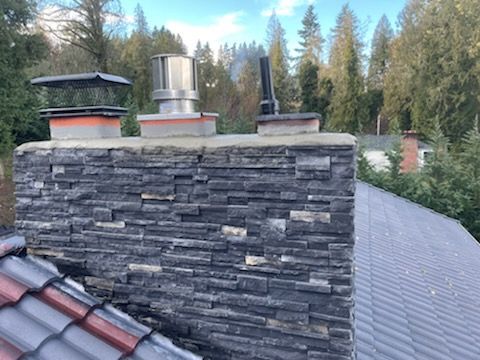
- Chimney Crown and Chase: Cracks, erosion, or failed flashing where water often enters, visible from camera angles or paired exterior inspection.
- Chimney Cap and Spark Arrestor: Blockages, animal nesting, and cap integrity affecting draft and preventing debris entry.
- Smoke Chamber and Smoke Shelf: Shape and smoothness affecting draft and smoke backflow, plus signs of corrosive damage.
- Damper and Throat Area: Functionality, rust, or debris that can prevent proper sealing and lead to energy loss or smoke issues.
- Obstructions: Bird nests, bricks, mortar fragments, or other blockages that impair airflow and safety.
- Venting Transitions and Offsets: Misaligned joints, improper liners, or improper transitions between the appliance and the flue.
- Evidence of Past Damage: Fire damage, heat discoloration, or previous repairs that may require further evaluation.
How Does a Video Inspection Improve Chimney Safety and Maintenance?
A video inspection provides precise, visual documentation that helps prioritize repairs and maintenance, reducing guesswork. By identifying the exact locations and severity of problems—such as a cracked liner, heavy creosote buildup, or water intrusion—professionals can recommend targeted solutions that protect occupants and appliances. Recorded footage also creates a reference for insurance, resale disclosure, and verifying the quality of work performed during subsequent repairs or relining projects.
When Should You Schedule a Professional Chimney Video Inspection?
Schedule a chimney video inspection if you purchase a home with a chimney, after severe weather or chimney-related damage, when you notice smoke or odor issues, or before significant appliance changes (e.g., a new stove, furnace, or insert). Annual inspections are recommended for active fireplaces and wood-burning appliances to detect developing issues early. A professional inspection ensures a thorough assessment and appropriate remediation to maintain safe operation.
Does Your Chimney Need a Video Inspection in Southwest WA and the Portland, OR Area?
If your chimney hasn’t been
inspected in
Portland,
Milwaukie, OR,
Vancouver, or
Camas, WA for a year or more,
contact us at Lifetime Chimney. We are a family-owned and operated business offering a full array of chimney services. Lifetime Chimney is the premier chimney service in the Southwest Washington and Portland, OR area. Check out our Google reviews
here!