Commercial Chimney Liabilities: A Property Manager's Guide to Asset Protection
Chimney Maintenance for Property Managers: Reducing Liability Risks
Commercial and HOA property managers face strict premises liability risks from unmaintained chimneys. Annual inspections mitigate common property hazards, including water intrusion, structural masonry collapse, building carbon monoxide pooling, and catastrophic flue fire risks.
Managing multi-family housing complexes, homeowners associations (HOAs), and commercial retail properties in Northwest Oregon requires vigilant risk management. While roofs and asphalt parking lots receive routine maintenance budgets, exterior chimneys are frequently overlooked until an expensive failure occurs. Implementing a proactive preventative maintenance plan protects both your physical real estate assets and your corporate bottom line.
Hidden Risks in Multi-Family Complexes
Shared structural venting infrastructure carries unique liabilities that differ from single-family homes:
- Carbon Monoxide Accumulation: Blockages or cracked interior liners in shared venting systems can force lethal carbon monoxide gas backward into multi-family living spaces.
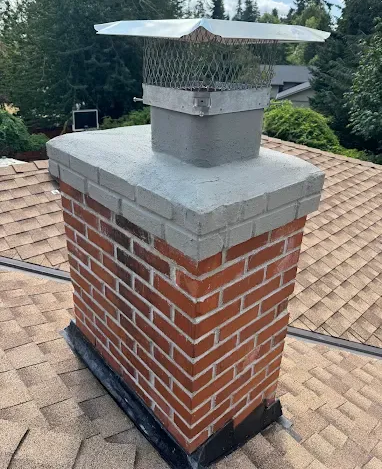
- Falling Masonry Hazards: Portland's high humidity and freeze cycles degrade exterior bricks. Loose, spalling brickwork at the roofline creates an immediate threat to pedestrian walkways, cars, and liability insurance profiles.
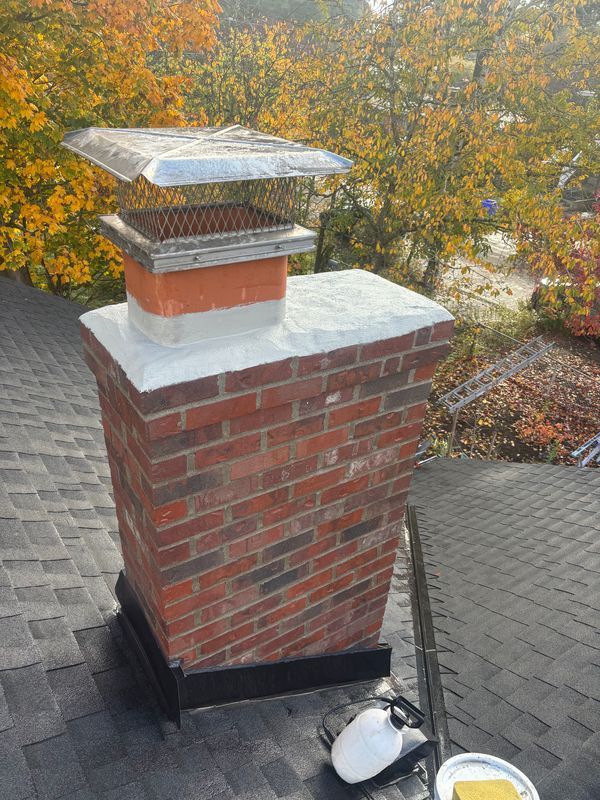
- Water Infiltration: A cracked chimney crown or deteriorated flashing can allow water to leak deep into a building's framing, triggering toxic mold outbreaks and dry rot behind finished drywall.
Flue Fire Risks in Shared Buildings
Flue fires present one of the most catastrophic risks tied to deferred chimney maintenance, and the stakes multiply in a multi-family or commercial building where a single flue fire can spread to units or tenants far beyond the point of origin. Creosote buildup, cracked flue liners, and blocked venting all increase the likelihood of a flue fire, and in a shared structure, the resulting damage and liability exposure extend well beyond a single unit. Regular inspection and cleaning are what catch these conditions before they become the source of a catastrophic incident rather than a line item on a maintenance report.
Why Annual Inspections Matter for Liability Protection
A documented, annual chimney inspection does more than catch a problem before it becomes expensive. It creates a record showing that reasonable care was taken to identify and address hazards, which matters directly to a property manager's liability exposure if an incident does occur. Waiting until a tenant complaint or a visible failure prompts an inspection puts a property manager in a defensive position rather than a proactive one, and an annual inspection schedule is a straightforward way to establish that ongoing diligence.
Budgeting Chimney Maintenance Like Any Other Capital Asset
Roofs, parking lots, and HVAC systems typically get a line item in a property's annual maintenance budget, but chimneys frequently don't, despite carrying comparable risk when neglected. Treating chimney maintenance as a scheduled capital expense rather than a reactive repair changes the cost profile significantly, since planned inspections and minor repairs cost far less than emergency work after a failure. Building chimney maintenance into the same budgeting cycle as other major building systems is one of the more straightforward ways a property manager can reduce both cost and liability exposure over time.
Managing Chimney Maintenance Across a Property Portfolio
Managing chimney maintenance across a portfolio of properties creates its own logistical challenge beyond the risk itself. A property manager overseeing multiple HOA communities, apartment complexes, or commercial buildings benefits from a single contractor who can standardize inspection reporting across every property rather than juggling different vendors with inconsistent documentation. Lifetime Chimney works with HOA boards and property management companies to schedule inspections across an entire portfolio on a consistent timeline, so no single property falls through the cracks while attention is focused elsewhere.
The Value of Digital Inspection Reports
Digital inspection reports carry more practical weight for a property manager than a handwritten note left after a service visit. A clear, dated report documenting a chimney's condition, any repairs performed, and the inspector's findings becomes part of a property's permanent maintenance record, available whenever it's needed for an insurance review, a tenant dispute, or an internal audit of the portfolio's condition. Lifetime Chimney provides digital reports for every commercial and HOA inspection specifically so that documentation is never the weak link in a property manager's risk management plan. That same documentation also simplifies prioritizing repairs across a portfolio, since a manager can compare condition reports across properties and direct the budget toward the buildings carrying the most risk first, rather than addressing whichever property happens to generate a complaint.
A Trusted Partner Across Your Property's Lifecycle
Property management doesn't stop at routine maintenance. When a unit within your portfolio changes ownership, a fast chimney inspection can keep that transaction moving without delay, the same way it does for any other real estate sale. Lifetime Chimney works as a professional partner across the full lifecycle of a property, from ongoing HOA and property management maintenance to the realtor-coordinated inspections that come with a unit sale. Whether you need routine portfolio maintenance or a one-time inspection tied to a specific transaction, the same team and documentation standard applies either way.
Comprehensive Commercial Chimney Services
Managing these risks requires a structured, documented safety protocol. Our dedicated HOA masonry services provide corporate clients with clear digital health reports, prioritized multi-property repair timelines, and transparent pricing matrices. Protect your structural assets, reduce your liability profile, and ensure full building code compliance by establishing a consistent maintenance routine this season. Whether your portfolio includes a single HOA community or a mix of multi-family and commercial properties across Northwest Oregon, the same underlying principle applies: chimneys carry real liability when neglected, and consistent documented maintenance is what keeps that liability from becoming an active problem on your books. Establishing this kind of documented, portfolio-wide maintenance plan is a straightforward step most property managers can put in place well before it's ever tested by an incident, insurance claim, or tenant dispute.
Contact Lifetime Chimney today to schedule a commercial chimney inspection for your property portfolio and put a documented maintenance plan in place before a small issue becomes a liability event. Reach out to schedule an assessment before the next budgeting cycle rather than waiting for a maintenance request to force the conversation. A brief conversation now, before anything has gone wrong, is what puts a property manager in control of the timeline instead of reacting to whatever surfaces first.