Why Modern Cement Destroys Historic Portland Brickwork: The Lime Mortar Guide
Why Lime Mortar Matters for Historic Brick Restoration
Modern Portland cement should never be used on historic chimneys built before 1930. Historic brickwork relies on soft, breathable lime mortar; applying hard, impermeable modern cement traps moisture and causes the original bricks to crack, fracture, and experience catastrophic spalling.
Why Historic Brick Needs Softer Mortar
Historic mortar is supposed to wear out before the brick does. In a properly functioning masonry system, the mortar serves as the softer, replaceable material that absorbs movement and allows moisture to leave through the joints. Many pre-1930 chimneys and brick structures in Portland were built with porous brick and lime-based mortar designed to flex, breathe, and dry together as temperatures and moisture levels changed.
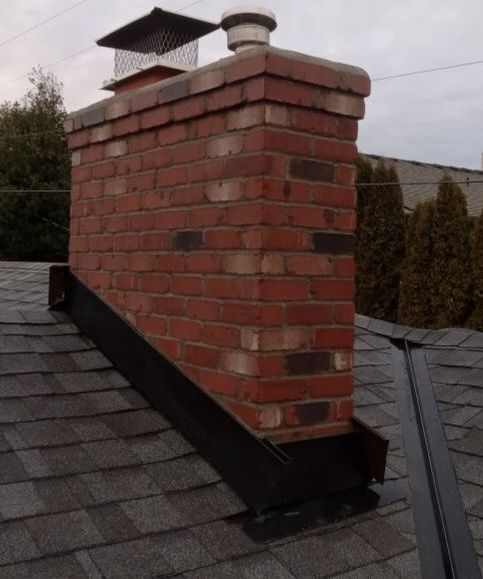
You can still see this construction in Portland’s historic residential architecture, including Irvington Craftsman homes and Ladd’s Addition Victorians. These properties have survived decades of Pacific Northwest weather because the original brick and mortar functioned as one system. When the mortar deteriorates, it can be removed and replaced through tuckpointing, protecting the more valuable historic brick. Installing mortar that is harder than the original masonry reverses that relationship and forces the brick to absorb damage the mortar should have taken.
How Modern Cement Damages Brick in Portland Weather
Modern Portland cement creates hard, rigid joints that can bond more strongly than the historic brick around them. It may initially appear to be a durable repair because the new mortar remains solid, but that strength becomes destructive when the surrounding masonry is softer and more porous. Portland’s winter rain still enters through small cracks, exposed brick, deteriorated crowns, damaged flashing, and wind-driven moisture, while hard cement joints prevent it from escaping through the mortar.
Water is instead redirected into the softer brick. During colder weather, moisture inside the brick can freeze and expand, creating pressure that causes cracks and fractures. Salts carried by moisture create additional stress as they crystallize inside the pores. The brick eventually begins flaking or peeling while the hard cement joints remain intact, a form of deterioration known as spalling.
One of the clearest signs of incompatible mortar is a wall where the cement joints remain solid while the surrounding brick faces crumble. Once an original brick experiences catastrophic spalling, the damage is difficult to reverse. Mortar can be replaced, but a fractured historic brick may require extensive restoration or complete replacement.
Lime Mortar vs. Portland Cement
The difference is not simply how the mortar looks. Lime mortar and modern Portland cement behave differently after installation:
- Historic lime mortar: Softer than the surrounding brick, breathable, flexible during temperature changes, and able to release moisture through the joints. It acts as the sacrificial part of the masonry system.
- Modern Portland cement: Hard, rigid, and impermeable. Type N and Type S Portland cement mortars can bond more strongly than historic brick, trap moisture, and transfer movement or pressure into the original masonry.
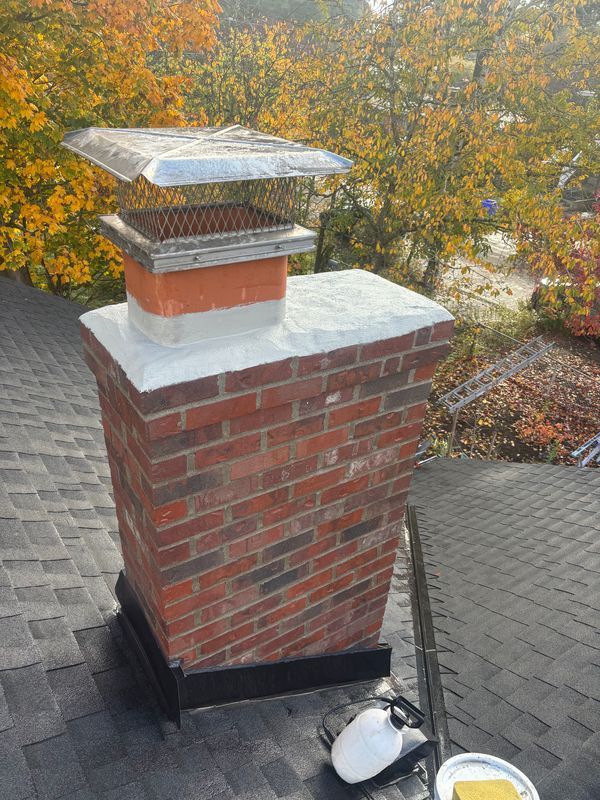
A bagged cement mix may create clean-looking joints, but color matching alone does not make a mortar compatible. A repair can look acceptable while causing moisture and structural damage underneath. Historic chimney restoration requires a custom mortar that works with the original brick instead of overpowering it.
What Authentic Historic Tuckpointing Requires
Historic tuckpointing starts with understanding the existing materials. The goal is to create a period-appropriate lime mortar matrix that matches the original brickwork’s compressive strength and vapor permeability. A proper restoration process includes:
- Inspecting the masonry. The mason evaluates the brick, existing mortar, moisture patterns, previous repairs, and overall stability of the structure.
- Finding original mortar. Protected joints may contain material that has not been heavily altered by weather or previous cement repairs.
- Matching the mortar matrix. The replacement mortar is prepared to match the original strength, permeability, color, aggregate, texture, and joint profile.
- Removing failed mortar carefully. Deteriorated mortar must be removed without chipping brick edges or widening the original joints.
- Installing and curing the new mortar. The replacement lime mortar is applied at the proper depth and kept from drying too quickly while it cures.
Each step protects something that cannot be replaced easily. Aggressive grinding can permanently damage soft historic brick, while an incorrect mortar matrix can change how the entire wall manages moisture. Matching the appearance preserves the building’s character, but matching the physical properties is what helps the brick and mortar continue functioning as a system.
Signs the Wrong Mortar Is Damaging Your Brick
Incompatible cement repairs often leave recognizable patterns. Your historic masonry may need an evaluation if you notice:
- Hard gray mortar that contrasts with older joints
- Brick faces flaking while mortar remains solid
- Cracks running along the edges of individual bricks
- Spalling concentrated around repaired sections
- Efflorescence or moisture staining near cement patches
- Chipped brick edges around widened mortar joints
- Repaired areas that remain damp
- Patchwork with mismatched color or texture
These signs do not automatically mean the entire chimney or wall needs rebuilding. Removing incompatible mortar and replacing it with a custom lime mortar may help preserve the historic brick that remains. The sooner the masonry is evaluated, the more original material may be saved.
Protect Historic Brickwork With Authentic Tuckpointing in Portland
Historic brick repair should preserve the materials and character that make an older property worth protecting. Lifetime Chimney provides authentic tuckpointing, compatible mortar repair, and historic chimney restoration backed by more than 20 years of masonry experience. Our licensed masons evaluate the existing brick, identify the cause of deterioration, and prepare a repair plan based on the structure’s original materials throughout Portland, Gresham, Lake Oswego, and Beaverton.
If your chimney or brickwork shows spalling, cracked mortar, moisture damage, or an incompatible cement repair, contact Lifetime Chimney for a free quote. Warranties are available on chimney and masonry work.