Why Lake Oswego Homeowners Should Schedule a Chimney Inspection Before Fireplace Season
When Should Lake Oswego Homeowners Schedule a Chimney Inspection?
A chimney inspection before fireplace season helps identify buildup, blockages, leaks, and damaged components before you light the first fire of the season. Scheduling early gives you time to understand your chimney’s condition and complete any necessary cleaning or repairs before colder weather increases demand for chimney services.
Your chimney may look ready from the living room while hidden problems are developing inside the flue, firebox, masonry, or ventilation system. Lifetime Chimney provides professional chimney inspections in Lake Oswego, helping you prepare your fireplace for safe and dependable seasonal use.
What Does a Chimney Inspection Check?
A chimney inspection examines the accessible interior and exterior parts of your chimney and fireplace system. The goal is to find conditions that could interfere with ventilation, increase fire risk, allow moisture into the structure, or lead to more extensive damage.
During an inspection, a chimney professional may evaluate:
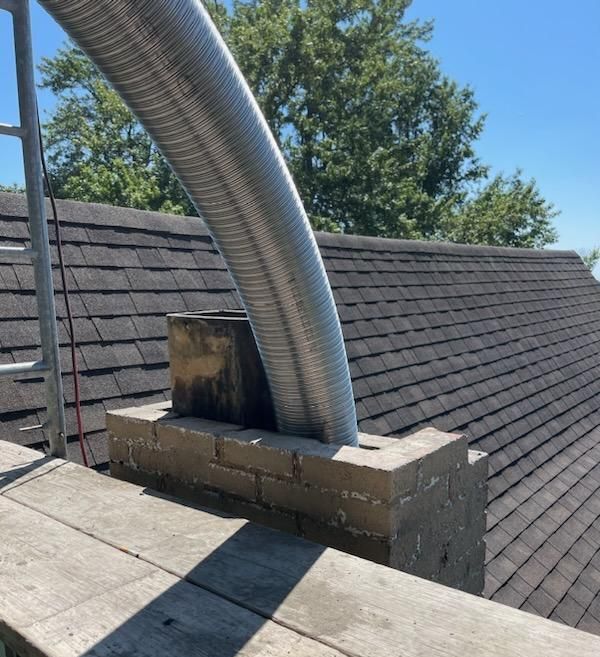
- The flue and chimney liner for cracks, gaps, or deterioration
- The firebox, smoke chamber, and damper for damage or heavy buildup
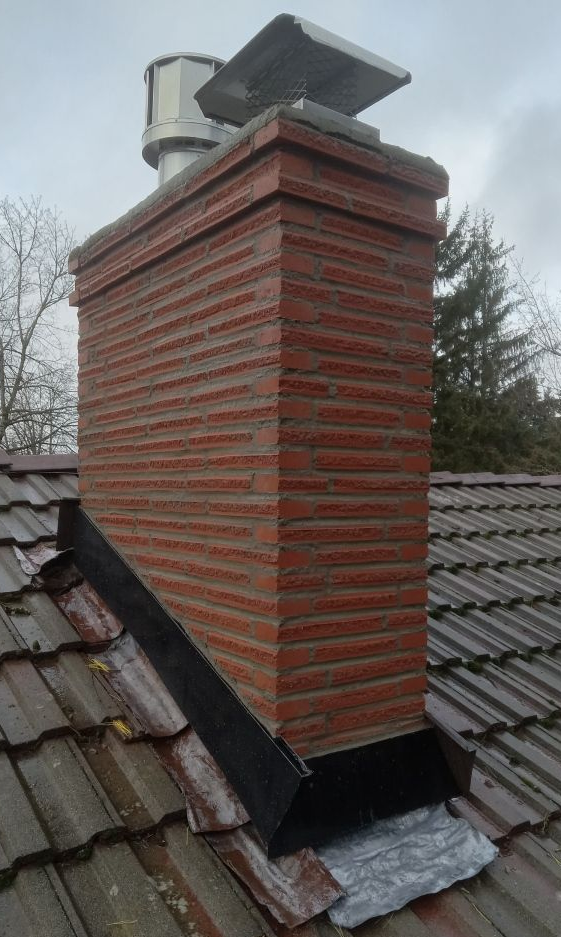
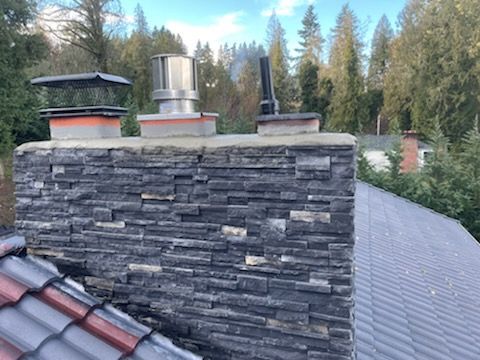
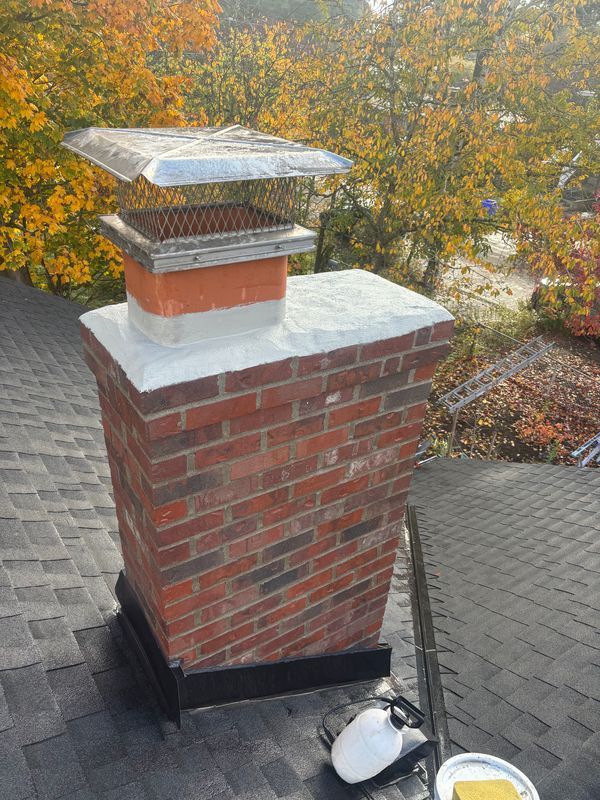
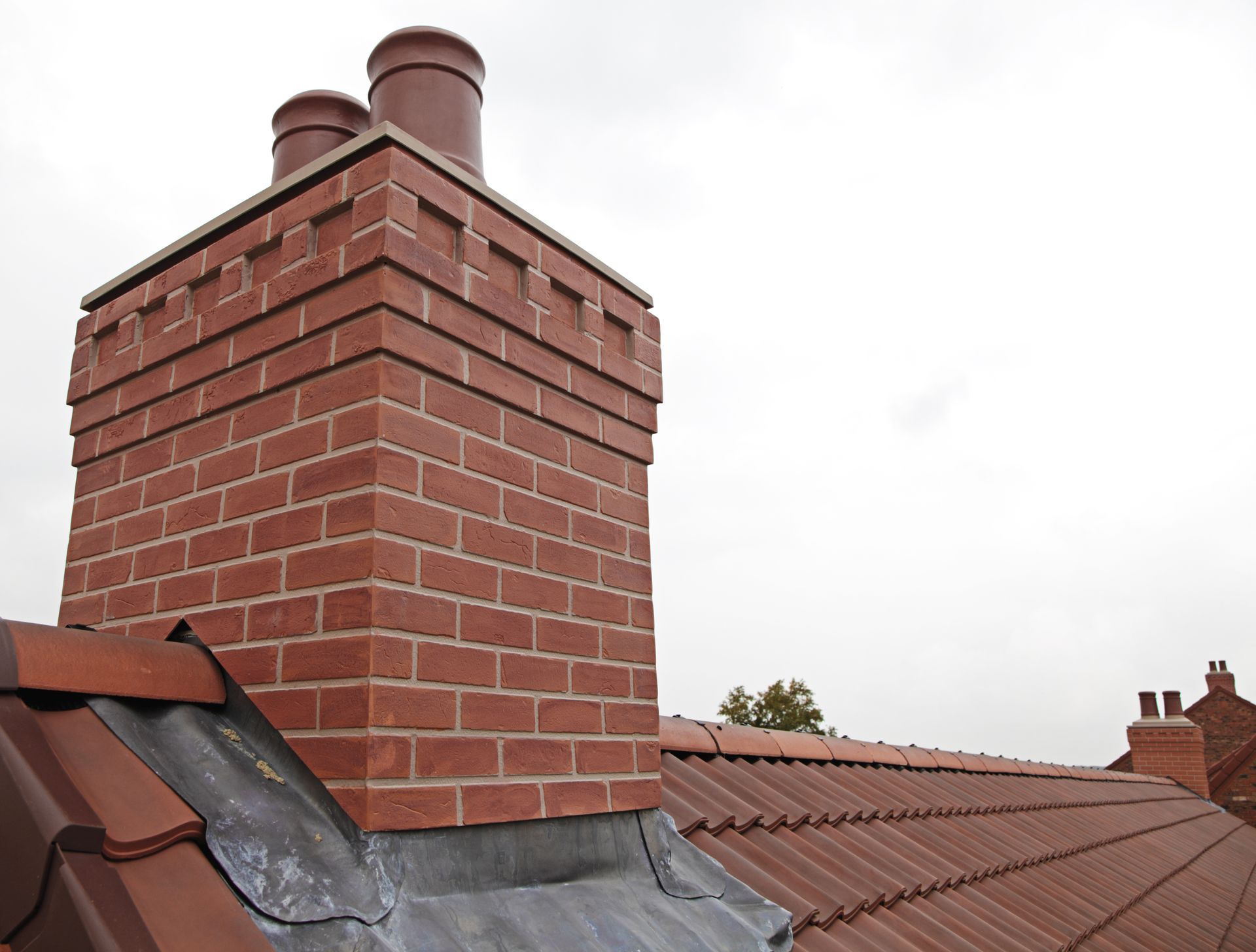
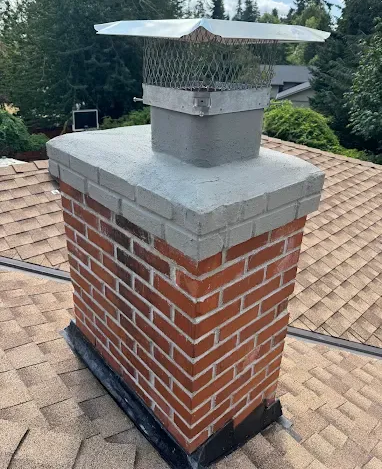
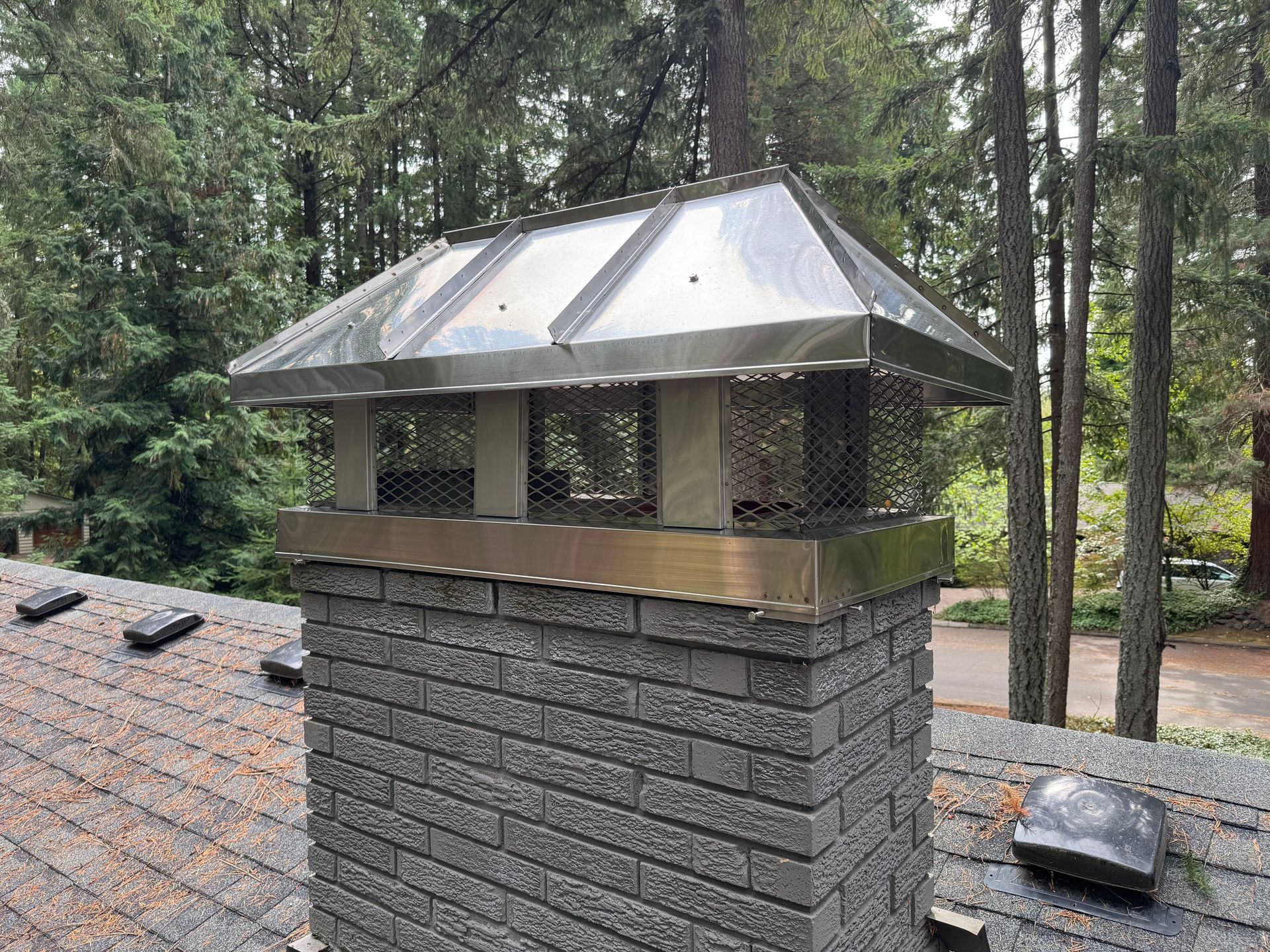
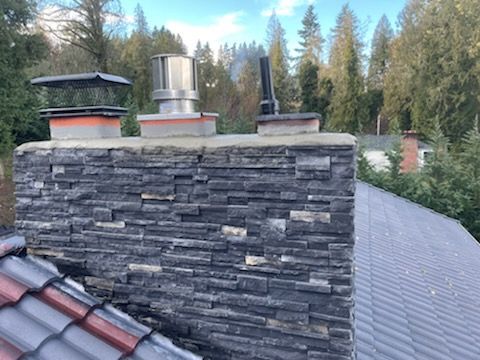
- The chimney cap and crown for missing, loose, or cracked components
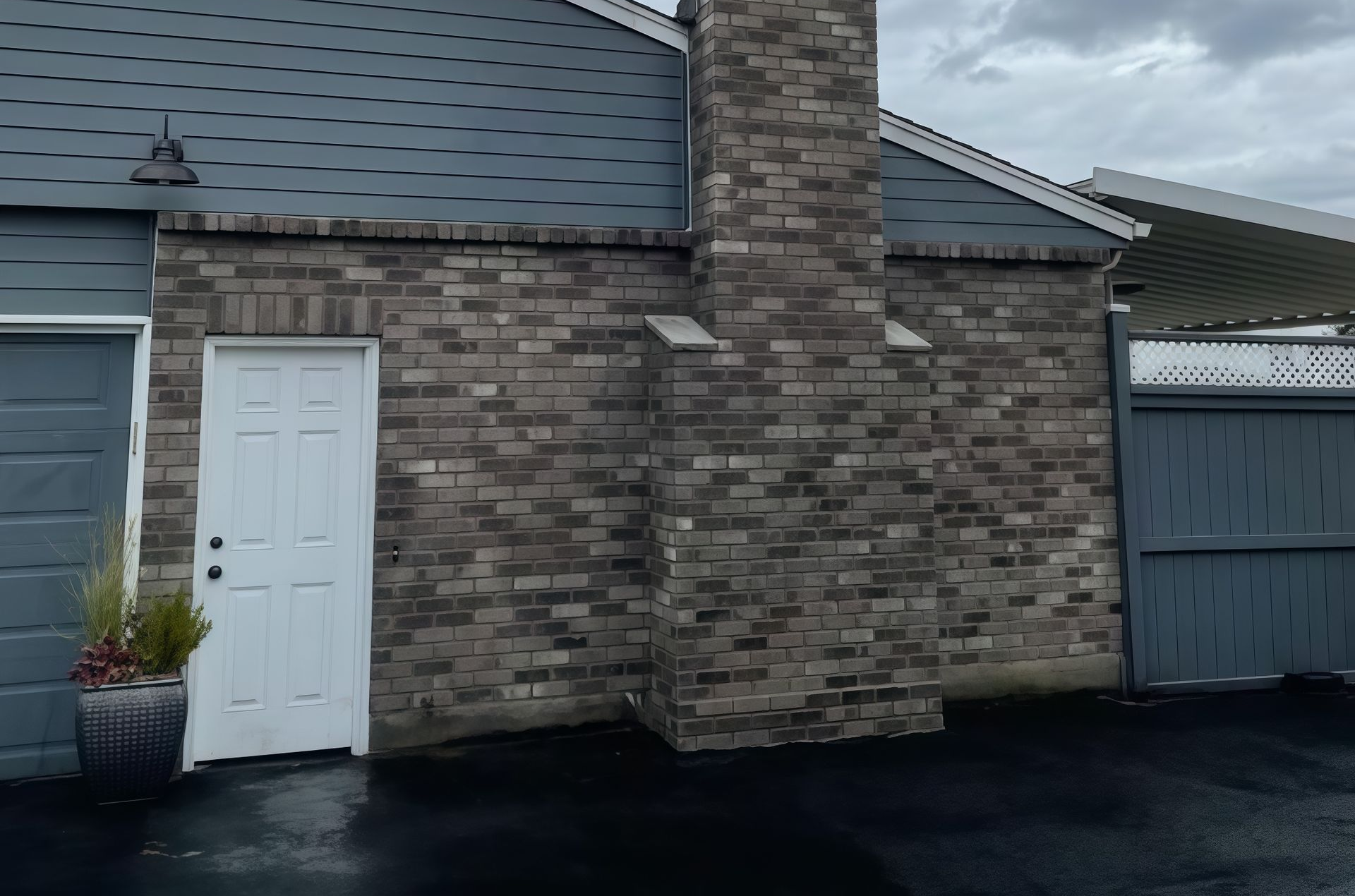
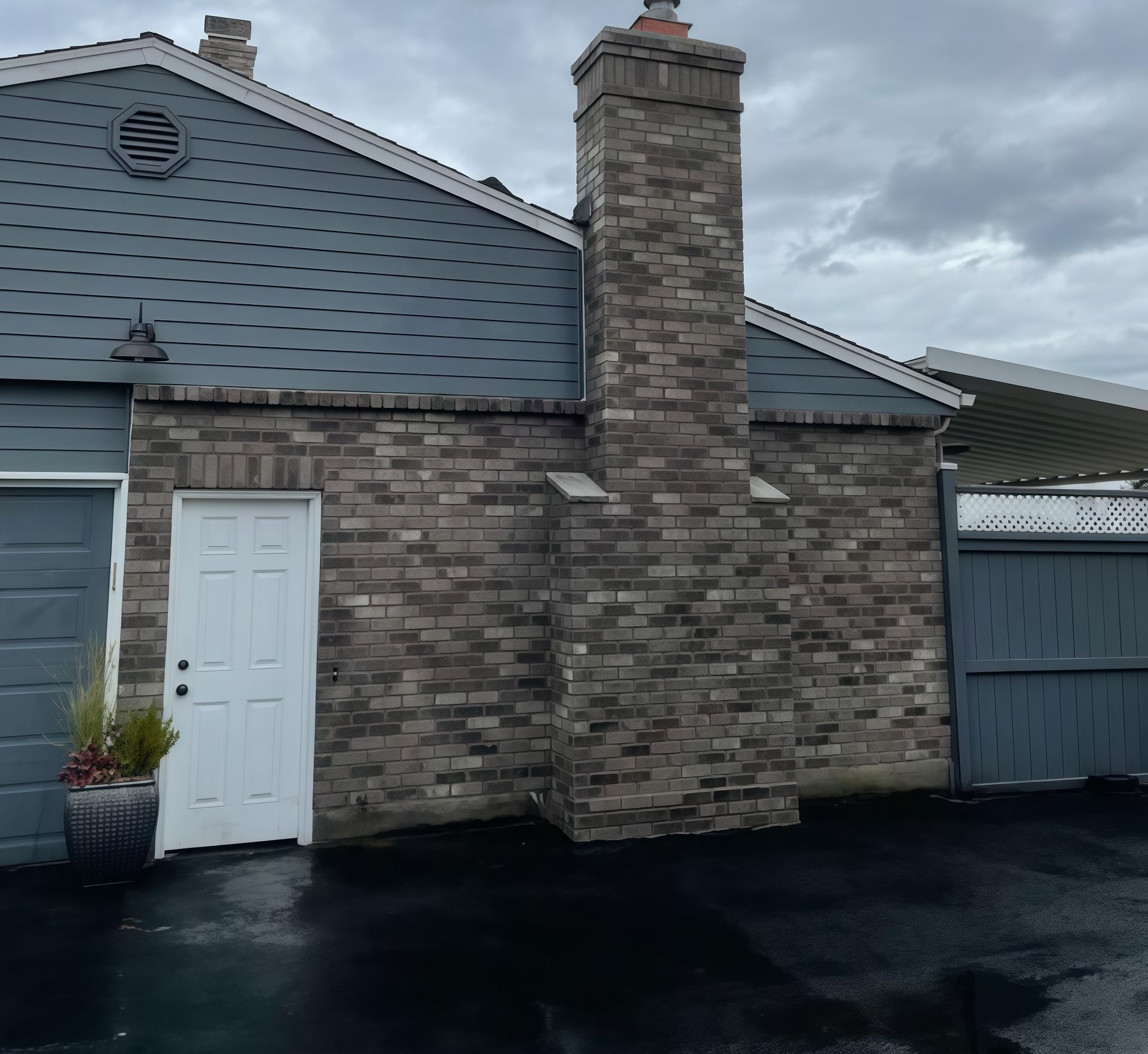
- The masonry for deteriorating mortar, damaged bricks, or movement
- The flashing and surrounding areas for signs of water intrusion
- The flue for animal nests, leaves, and other obstructions
- The system’s overall condition and ability to vent smoke properly
Because many of these areas are difficult to see from the ground or inside your home, a professional inspection can reveal concerns that are easy to miss during a casual visual check. You also receive clearer guidance about whether your chimney needs cleaning, repair, or continued monitoring.
Why Schedule Before You Start Using Your Fireplace?
Scheduling a chimney inspection before fireplace season helps you avoid discovering a problem when you are ready to use the fireplace. If an inspection finds creosote buildup, a blockage, damaged masonry, or a compromised liner, you still have time to address it before regular use begins.
Early fall is also a busy period for chimney companies as more people prepare their fireplaces for colder weather. Waiting until the first chilly week can make scheduling more difficult, especially if the inspection reveals that you need sweeping or repairs before lighting a fire.
An early appointment gives you more control over the process. Instead of making a rushed decision after fireplace season has already started, you can review the findings, ask questions, and arrange the appropriate service based on the actual condition of your system.
Hidden Chimney Problems Can Affect Safety & Performance
Some chimney problems develop without creating an obvious warning inside your home. Creosote can accumulate along the flue as wood burns, while leaves or nesting materials may obstruct airflow during months when the fireplace is not in use. Both conditions can prevent the chimney from venting as intended.
Cracks or deterioration inside a chimney liner can also be difficult to detect without a closer inspection. The liner helps contain heat and combustion byproducts while directing them out of your home. Damage may expose nearby materials to excessive heat or allow smoke and gases to escape into areas where they do not belong.
Your fireplace’s performance can offer clues, but it should not replace an inspection. Smoke entering the room, persistent odors, difficulty starting or maintaining a fire, and visible soot around the fireplace opening can all suggest that the system needs attention. A professional evaluation can determine what is causing the problem instead of relying on guesswork.
Lake Oswego Moisture Can Take a Toll on Chimney Masonry
Moisture is one of the most persistent threats to a masonry chimney. Rain can enter through a damaged cap, a cracked crown, deteriorated mortar joints, or failing flashing around the chimney base. Once water gets into porous brick and mortar, the damage can spread beyond the original entry point.
You may notice staining near the fireplace, musty odors, white deposits on the masonry, loose mortar, or flaking brick. Exterior deterioration can also remain out of sight when it occurs near the roofline. An inspection provides an opportunity to identify these conditions before another wet season makes them worse.
Catching water intrusion early can reduce the chance that a limited repair becomes a larger restoration project. Depending on what the inspection reveals, the appropriate solution could involve flashing repair, crown work, cap service, tuckpointing, brick repair, or another targeted chimney service.
Chimney Inspections & Chimney Sweeping Serve Different Purposes
A chimney inspection assesses the condition of the system, while a chimney sweep removes soot, creosote, ash, and debris. The two services are closely connected, but they are not interchangeable.
If buildup limits visibility inside the flue, cleaning may be necessary before the chimney can be evaluated thoroughly. Lifetime Chimney's sweeping process includes an inspection of the flue and liner, removal of accumulated material, cleaning around key fireplace components, and a final safety check.
Your fireplace usage, fuel, previous service history, and chimney condition all affect what your chimney needs. An inspection allows the technician to base recommendations on what is actually present rather than assuming that every chimney requires the same service.
When Should You Arrange an Inspection?
Schedule an inspection before your first fire of the season, particularly if the chimney has not been evaluated since the previous year. An appointment is also a sensible next step when you have recently purchased the home, do not know the chimney’s service history, or have noticed a change in fireplace performance.
You should also arrange an assessment after a suspected chimney fire, a severe weather event, visible masonry damage, recurring leaks, or an animal entering the flue. If repairs or changes have been made to your fireplace or venting system, an inspection can help confirm that the chimney is ready for use.
Avoid treating a fireplace that “worked last year” as proof that nothing has changed. Weather, moisture, debris, animals, and ordinary deterioration can affect a chimney while it sits unused.
Get Clear Answers Before Fireplace Season in Lake Oswego
A professional chimney inspection gives you a clearer picture of your fireplace and chimney before you depend on them during colder weather. Lifetime Chimney can identify buildup, blockages, moisture concerns, and damaged components, then explain whether cleaning or repairs are needed.
If you need chimney service in Lake Oswego and surrounding areas, contact Lifetime Chimney to schedule your inspection and request a free estimate before fireplace season gets underway.