Why Is Water Leaking Into My Fireplace During Portland's Heavy Rain?
Why Does My Fireplace Leak When It Rains?
Water leaking into your fireplace during heavy rain usually points to a damaged chimney cap, cracked crown, deteriorated masonry, or failing roof flashing. Each creates a different path for moisture, so stopping the leak starts with finding where rain enters.
In Portland, a chimney may stay dry through light showers but leak during a sustained downpour. The amount of rain, wind direction, and condition of the chimney can all affect when water appears. A puddle in the firebox is an obvious warning, but damp brick, rust, and nearby ceiling stains also deserve attention.
How Chimney Caps & Crowns Let Water Inside
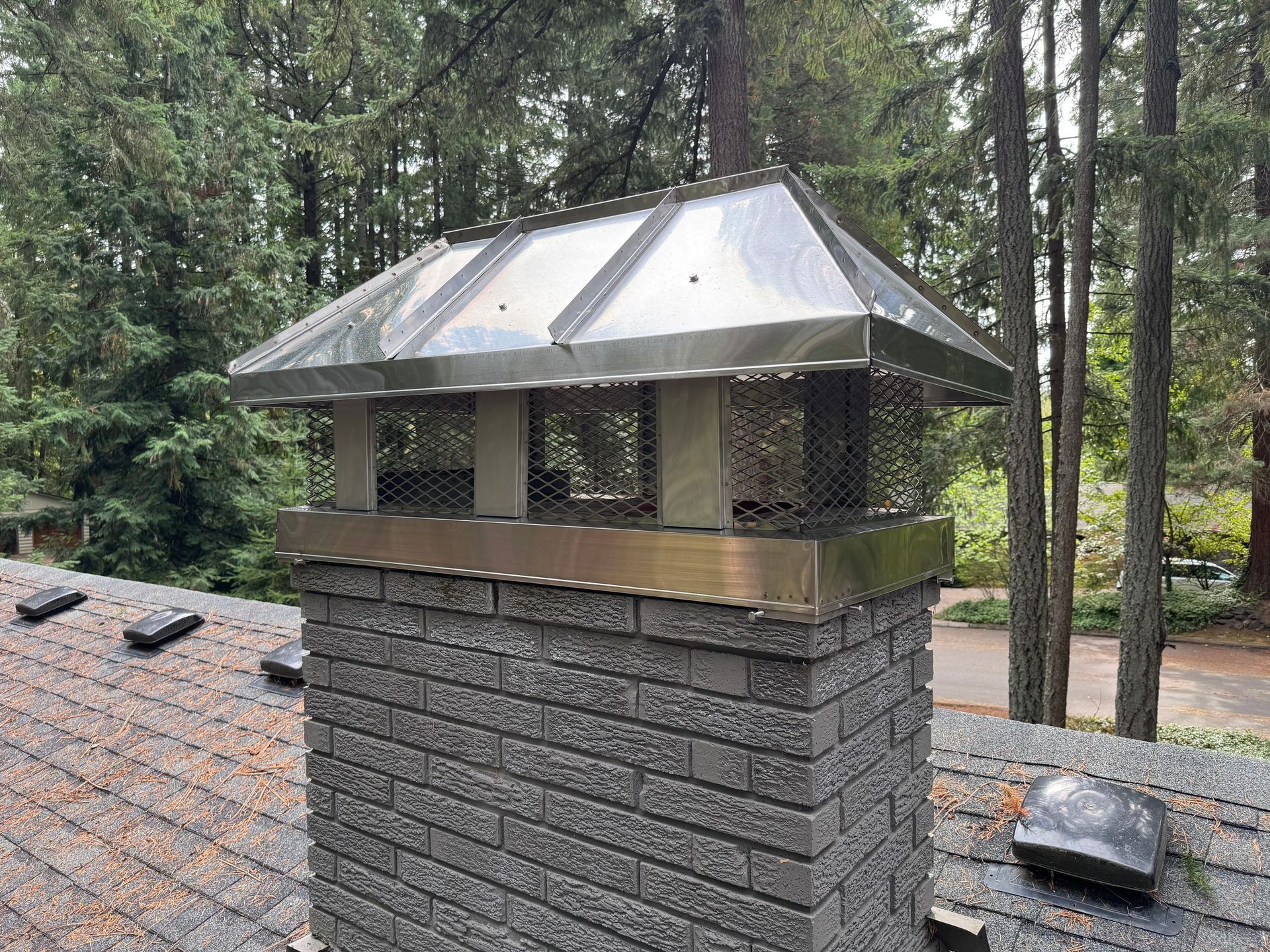
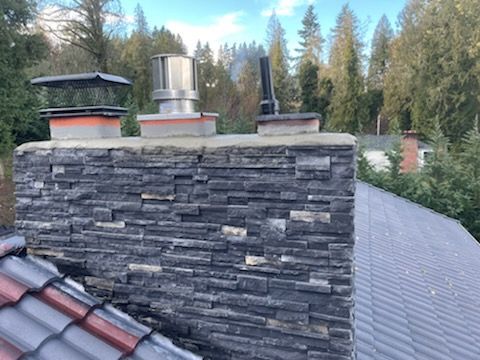
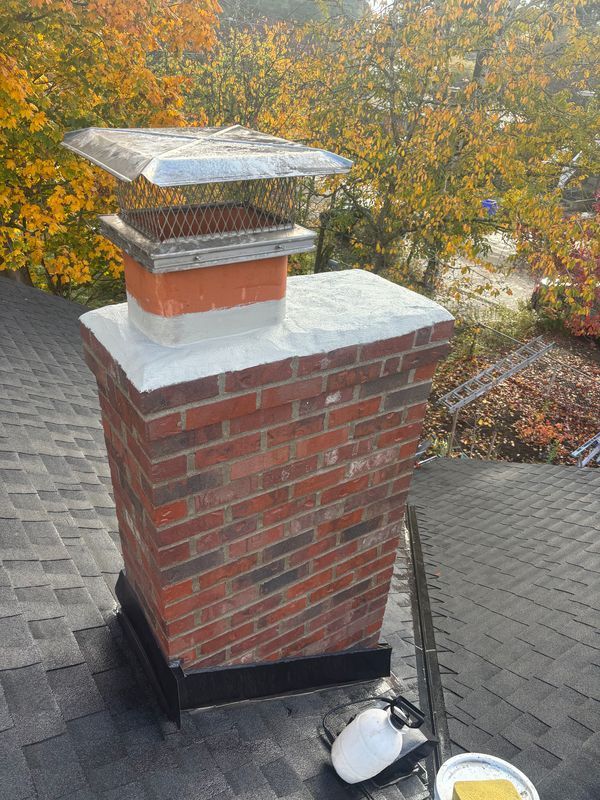
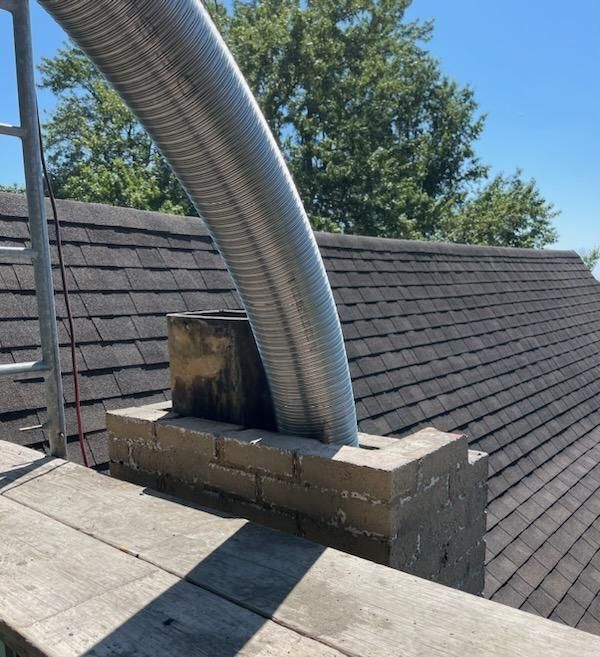
A missing or damaged chimney cap can allow rain to enter the flue directly. The cap sits above the flue opening, providing overhead protection while allowing smoke and exhaust to escape. If it has shifted, deteriorated, or lost part of its cover, your fireplace may become wet during storms.
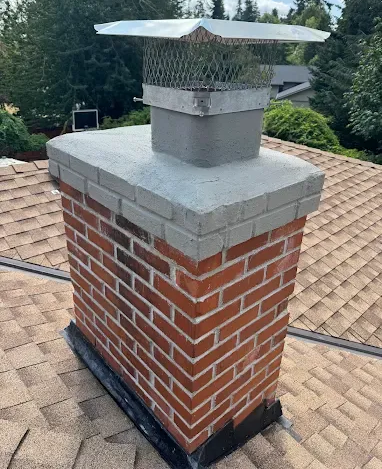
The chimney crown protects a different area. This sloped surface covers the top of a masonry chimney around the flue and helps shed water away from the brickwork below. Cracks or deterioration can let moisture enter the chimney structure even when the cap remains in place. Having a cap therefore does not mean the entire top of your chimney is protected.
Lifetime Chimney repairs chimney caps and crowns, addressing the condition of each component separately. Replacing a damaged cap may resolve direct rainfall entering the flue, while crown damage requires attention to the surrounding surface. Checking both helps avoid fixing one opening while leaving another exposed.
Why Brick & Mortar Can Absorb Rainwater
Brick and mortar can absorb moisture, and damaged masonry makes water intrusion more likely. Open mortar joints, cracked bricks, and deteriorated surfaces give rain additional routes into your chimney. During prolonged rainfall, the masonry can remain saturated rather than drying between showers.
This can explain a leak that starts hours into a storm instead of with the first few drops. You might notice damp fireplace brick or discoloration rather than a steady drip. Moisture can also remain within the chimney after the weather clears, so a dry firebox the following day does not establish that the problem has disappeared.
Tuckpointing restores deteriorated mortar joints, while brick repair addresses damaged masonry units. A suitable water-repellent treatment may provide additional protection, but it cannot replace missing mortar or seal structural gaps. The condition of the brickwork determines which measures are appropriate.
Why Chimney Flashing Leaks During Heavy Rain
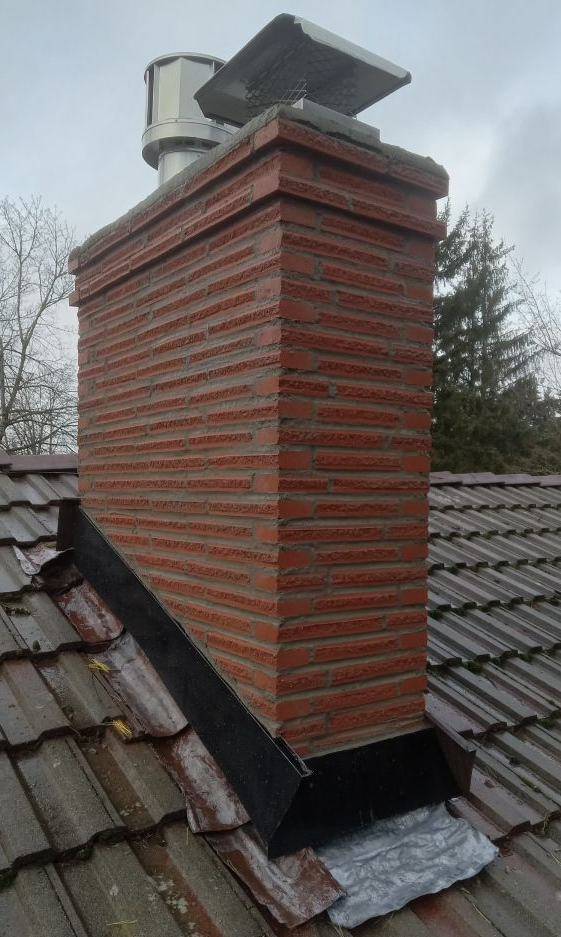
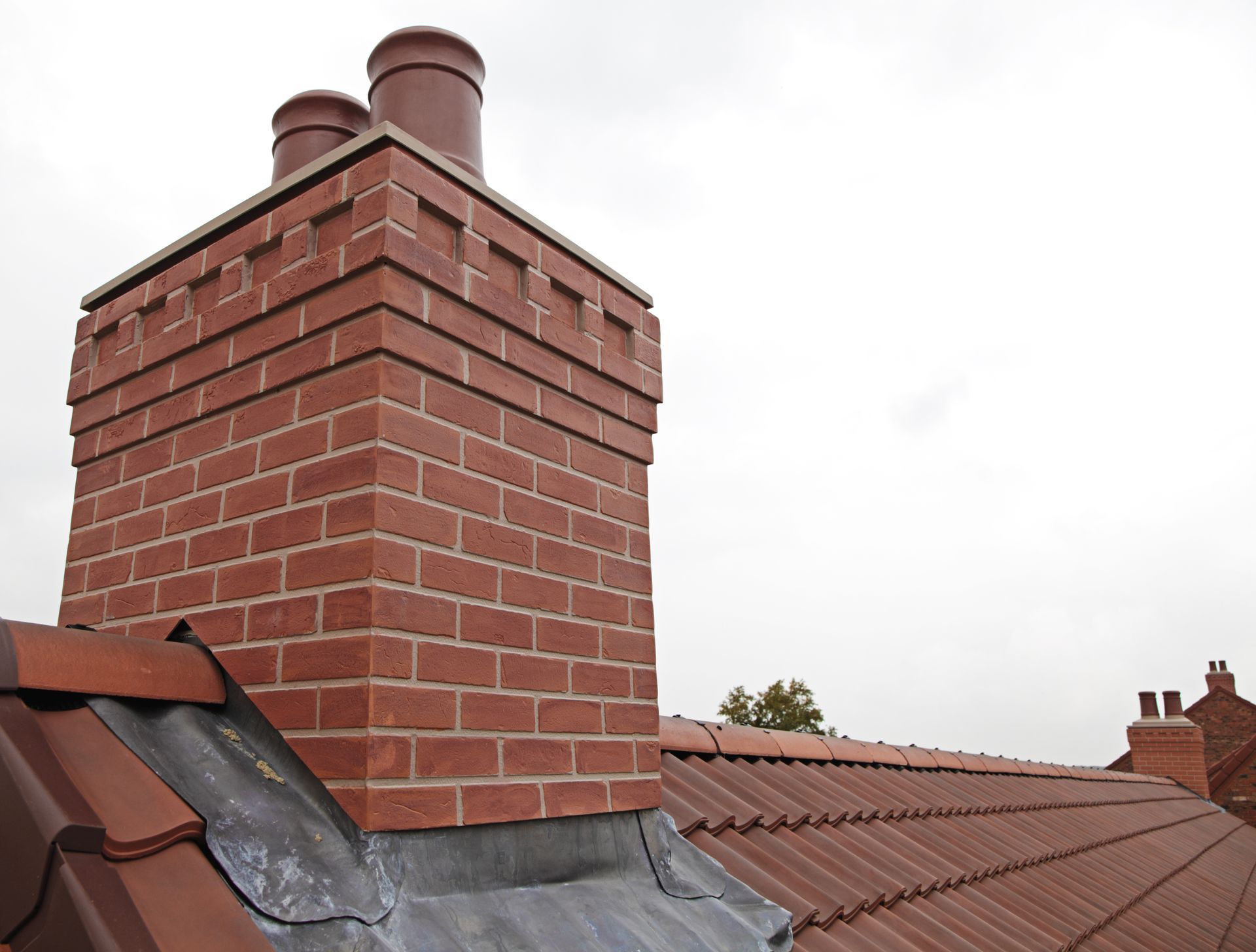
Chimney flashing directs runoff away from the joint where your chimney meets the roof. Its overlapping metal sections work with the roofing materials and chimney surface to shed water. Damaged metal, separated edges, or incorrect installation can let rain get behind that protection.
A flashing leak may show up as staining on a ceiling or wall near the chimney. Water can travel before becoming visible, so the location of a stain does not always line up with the exterior defect. If you recently had roof work done, mention it when scheduling service so the roof-to-chimney connection receives particular attention.
Applying more caulk over a visible opening may leave the underlying problem unresolved. Lifetime Chimney provides flashing repair and replacement to restore that connection. The goal is to make the components drain properly together rather than repeatedly covering the same gap.
What to Look for Around a Leaking Fireplace
The timing and location of moisture can help narrow the inspection. You do not need to climb onto the roof or reach into the chimney to collect useful information. Photos taken safely indoors can show conditions that may no longer be visible when the rain stops.
Watch for these details during and after a storm:
- Drips inside the firebox: Note where they fall and whether they begin immediately or after several hours of rain.
- Damp fireplace brick: Photograph the affected area and track whether it spreads.
- Wall or ceiling stains: Report moisture near the chimney even if the fireplace itself stays dry.
- Rust on visible metal: Mention corrosion on the damper or other accessible components.
- Loose mortar or brick fragments: Include any material you find in or around the fireplace when describing the problem.
Share whether the leak happens during every storm or only when rain blows from a certain direction. These observations provide useful context without requiring you to identify the failed component yourself.
What to Do When Water Enters Your Fireplace
Pause fireplace use and schedule a chimney inspection when you discover active leaking. Lighting a fire to dry the area will not repair the entry point or confirm that the chimney is safe to use. Repeated water exposure can deteriorate masonry, rust metal components, and damage nearby wood or interior finishes.
Once the fireplace is completely cold, protect the surrounding floor and contain accessible drips without disturbing fireplace equipment. Keep your observations and photos together so you can clearly explain what happened. Leave exterior checks and repairs to a professional, especially while the roof is wet.
Do not block the flue with plastic or an improvised cover. Your chimney may serve equipment that requires an unobstructed vent, and a closed fireplace damper does not replace proper rain protection above. An inspection can establish what needs attention before you resume using the fireplace.
Licensed Chimney & Masonry Services in Portland, OR
Lifetime Chimney helps you address fireplace leaks with more than 20 years of chimney and masonry experience, licensed masonry expertise, and warranties on all chimney and masonry work. Our family-owned team serves Portland, Lake Oswego, Gresham, and Beaverton. Contact us to schedule an inspection and request a free quote for the repairs your chimney needs.